🔦 Tent Light Options
Lanterns
What they're good for: Lighting up your whole tent or campsite.
Cool things about them: They give off light all around. You can get ones you recharge, that use batteries, or even gas ones.
Best for: Cooking, hanging out with friends, or just seeing stuff.
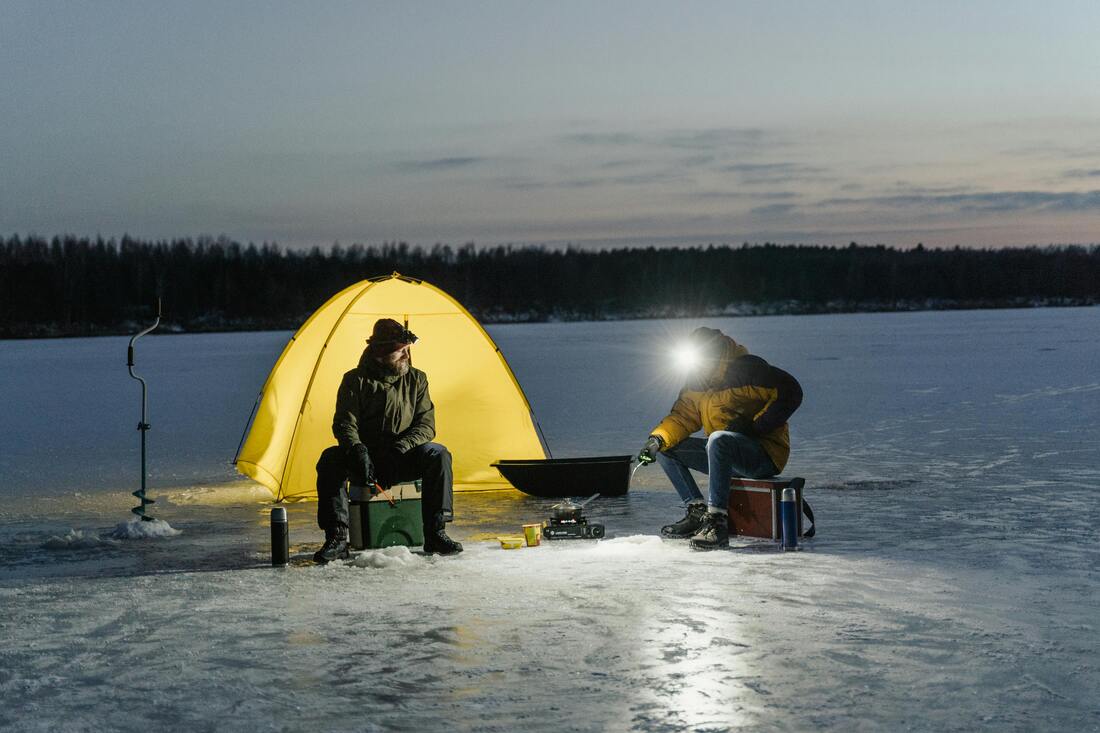
Headlamps
What they're good for: Keeping your hands free when you're doing stuff like cooking or finding your way around.
Cool things about them: You strap them on your head! They usually have different brightness settings and a red light option, so you can still see at night.
Best for: Setting up your tent, reading, or going for a walk when it's dark.
String Lights
What they're good for: Making your tent feel nice and cozy.
Cool things about them: They run on batteries or USB and are super light, so they are easy to hang up.
Best for: Decorating your tent or marking where it is at night.
Rechargeable, Adjustable Lights
What they're good for: Lots of different lighting needs. You can change the height and how wide the light shines.
Cool things about them: They fold down, so they are easy to pack. Great for all sorts of outdoor stuff.
Best for: Lighting up your campsite or cooking area.
Solar and Hand-Crank Lights
What they're good for: Being good to the earth!
Cool things about them: You don't need batteries. They use sunlight or you crank them up to get power.
Best for: As a backup light or when you won't have power for a while.
💡 How Bright Should My Light Be? (Lumens)
Picking the right brightness means you can see well without wasting power.
What You're Doing How Bright (Lumens)
Reading 10–50
Inside a small tent 50–100
Cooking or eating 100–200
Big campsite 200–500
Walking on a trail 150–300
Signaling for help 500+
FYI: Usually, 50–100 lumens is enough for a normal 4-person tent.
🔋 Power Stuff
Rechargeable Batteries (like USB-C): Good because you can use them again and again. Just charge them before you go.
Normal Batteries (AA/AAA): Easy to find everywhere. Bring extra, so you don't run out of power.
Solar Panels: Great for long trips. You just need sunlight to charge them.
Hand-Crank: Good in an emergency. You have to crank it to get power.
🌈 What Light Colors Do
White Light: Lets you see things clearly but might bring bugs around.
Red Light: Helps you see in the dark and doesn't bring as many bugs.
Yellow Light: Easy on your eyes and not too bright.
Blue/Green Light: Can make you feel calm but might mess with your sleep.
🧰 Some Tips
Easy to Carry: Get lights that don't weigh much if you're backpacking.
Toughness: Get lights that can handle water (look for IPX4 or higher) so they work no matter the weather.
Simple to use: Lights with different brightness settings are useful.
Be Careful: Keep gas lights out of your tent.
🛠️ Cool DIY stuff ideas
Shiny Stuff: Put reflective material under or over your tent to make it brighter and cooler inside.
Glow Sticks or LED Strips: Put them on your tent to see it better and make it look cool.
Battery Lanterns: Hang a lantern from the top of your tent for light all around.
Lanterns
What they're good for: Lighting up your whole tent or campsite.
Cool things about them: They give off light all around. You can get ones you recharge, that use batteries, or even gas ones.
Best for: Cooking, hanging out with friends, or just seeing stuff.
Headlamps
What they're good for: Keeping your hands free when you're doing stuff like cooking or finding your way around.
Cool things about them: You strap them on your head! They usually have different brightness settings and a red light option, so you can still see at night.
Best for: Setting up your tent, reading, or going for a walk when it's dark.
String Lights
What they're good for: Making your tent feel nice and cozy.
Cool things about them: They run on batteries or USB and are super light, so they are easy to hang up.
Best for: Decorating your tent or marking where it is at night.
Rechargeable, Adjustable Lights
What they're good for: Lots of different lighting needs. You can change the height and how wide the light shines.
Cool things about them: They fold down, so they are easy to pack. Great for all sorts of outdoor stuff.
Best for: Lighting up your campsite or cooking area.
Solar and Hand-Crank Lights
What they're good for: Being good to the earth!
Cool things about them: You don't need batteries. They use sunlight or you crank them up to get power.
Best for: As a backup light or when you won't have power for a while.
💡 How Bright Should My Light Be? (Lumens)
Picking the right brightness means you can see well without wasting power.
What You're Doing How Bright (Lumens)
Reading 10–50
Inside a small tent 50–100
Cooking or eating 100–200
Big campsite 200–500
Walking on a trail 150–300
Signaling for help 500+
FYI: Usually, 50–100 lumens is enough for a normal 4-person tent.
🔋 Power Stuff
Rechargeable Batteries (like USB-C): Good because you can use them again and again. Just charge them before you go.
Normal Batteries (AA/AAA): Easy to find everywhere. Bring extra, so you don't run out of power.
Solar Panels: Great for long trips. You just need sunlight to charge them.
Hand-Crank: Good in an emergency. You have to crank it to get power.
🌈 What Light Colors Do
White Light: Lets you see things clearly but might bring bugs around.
Red Light: Helps you see in the dark and doesn't bring as many bugs.
Yellow Light: Easy on your eyes and not too bright.
Blue/Green Light: Can make you feel calm but might mess with your sleep.
🧰 Some Tips
Easy to Carry: Get lights that don't weigh much if you're backpacking.
Toughness: Get lights that can handle water (look for IPX4 or higher) so they work no matter the weather.
Simple to use: Lights with different brightness settings are useful.
Be Careful: Keep gas lights out of your tent.
🛠️ Cool DIY stuff ideas
Shiny Stuff: Put reflective material under or over your tent to make it brighter and cooler inside.
Glow Sticks or LED Strips: Put them on your tent to see it better and make it look cool.
Battery Lanterns: Hang a lantern from the top of your tent for light all around.
🔦 Tent Light choices
Lanterns
What they're good for: Lighting up the tent or campsite.
Why they're good: They shine light everywhere. You can get rechargeable ones, battery ones, or gas ones.
Works best for: Cooking, chilling with friends, or finding your stuff.
Headlamps
What they're good for: Keeping hands free when cooking or moving around.
Why they're good: You strap them to your head! They usually have different brightness settings and a red light option for seeing at night.
Works best for: Setting up the tent, reading or walking around in the dark.
String Lights
What they're good for: Making your tent feel cozy.
Why they're good: They use batteries or USB, are easy to pack, and hang up so easy.
Works best for: Decorating or marking your tent at night.
Rechargeable, Adjustable Lights
What they're good for: Many lighting situations. Change the height and width of the light.
Why they're good: They fold so they are easy to pack away . Great for all kinds of outdoor stuff.
Works best for: Lighting the campsite or cooking area.
Solar and Hand-Crank Lights
What they're good for: Being earth-friendly!
Why they're good: No batteries needed. Use sunlight, or crank them for power.
Works best for: A spare light or when you don't have power.
💡 How light should my light be? (Lumens)
Right brightness = good vision and saving power.
Activity Brightness (Lumens)
Reading 10–50
Small tent Inside 50–100
Cooking or eating 100–200
Big campsite 200–500
Walking on a trail 150–300
Signaling for help 500+
FYI:50–100 lumens is usually fine for a 4-person tent.
🔋 Power Options
Rechargeable Batteries (like USB-C): Can use them a lot. Just charge before leaving.
Normal Batteries (AA/AAA): You can find them anywhere. Bring more, so you don't run out of power.
Solar Panels: Great for long trips. They charge in sunlight.
Hand-Crank: Good for emergencies. You have to crank it.
🌈 What Light Colors Do
White Light: helps you see things clearly, but may draw bugs.
Red Light: Helps night vision and doesn't draw as many bugs
Yellow Light: Easy on the eyes and not too bright.
Blue/Green Light: May make you feel calm but mess with sleeping.
🧰 Some helpful hints
Easy to Carry: If backpacking, get lightweight lights.
Toughness: Get lights that can take water (IPX4 or more) for all weather.
Easy-to-use: Lights with different brightness settings are nice.
Careful: Keep gas lights out of your tent.
🛠️ DIY ideas
Shiny: Place reflective material around the tent to brighten and cool inside.
Glow Sticks or LED Strips: Put them on your tent for visibility and looks.
Battery Lanterns: Hang a lantern for all-around light.
Lanterns
What they're good for: Lighting up the tent or campsite.
Why they're good: They shine light everywhere. You can get rechargeable ones, battery ones, or gas ones.
Works best for: Cooking, chilling with friends, or finding your stuff.
Headlamps
What they're good for: Keeping hands free when cooking or moving around.
Why they're good: You strap them to your head! They usually have different brightness settings and a red light option for seeing at night.
Works best for: Setting up the tent, reading or walking around in the dark.
String Lights
What they're good for: Making your tent feel cozy.
Why they're good: They use batteries or USB, are easy to pack, and hang up so easy.
Works best for: Decorating or marking your tent at night.
Rechargeable, Adjustable Lights
What they're good for: Many lighting situations. Change the height and width of the light.
Why they're good: They fold so they are easy to pack away . Great for all kinds of outdoor stuff.
Works best for: Lighting the campsite or cooking area.
Solar and Hand-Crank Lights
What they're good for: Being earth-friendly!
Why they're good: No batteries needed. Use sunlight, or crank them for power.
Works best for: A spare light or when you don't have power.
💡 How light should my light be? (Lumens)
Right brightness = good vision and saving power.
Activity Brightness (Lumens)
Reading 10–50
Small tent Inside 50–100
Cooking or eating 100–200
Big campsite 200–500
Walking on a trail 150–300
Signaling for help 500+
FYI:50–100 lumens is usually fine for a 4-person tent.
🔋 Power Options
Rechargeable Batteries (like USB-C): Can use them a lot. Just charge before leaving.
Normal Batteries (AA/AAA): You can find them anywhere. Bring more, so you don't run out of power.
Solar Panels: Great for long trips. They charge in sunlight.
Hand-Crank: Good for emergencies. You have to crank it.
🌈 What Light Colors Do
White Light: helps you see things clearly, but may draw bugs.
Red Light: Helps night vision and doesn't draw as many bugs
Yellow Light: Easy on the eyes and not too bright.
Blue/Green Light: May make you feel calm but mess with sleeping.
🧰 Some helpful hints
Easy to Carry: If backpacking, get lightweight lights.
Toughness: Get lights that can take water (IPX4 or more) for all weather.
Easy-to-use: Lights with different brightness settings are nice.
Careful: Keep gas lights out of your tent.
🛠️ DIY ideas
Shiny: Place reflective material around the tent to brighten and cool inside.
Glow Sticks or LED Strips: Put them on your tent for visibility and looks.
Battery Lanterns: Hang a lantern for all-around light.